








frontier fear
what does frontier even mean?
frontier used to be an edge between us and the unknown, some great expanse of wilderness or thought. now, in a strange turn of the narrative, we’ve become the unknown acted upon by AI.
i see the word frontier used everywhere now – to describe models, labs, companies, funds ( @a16z ) , technology; i couldn't help but wonder...what does the word even mean? where does it come from? how is it shaping our actions? and how is AI changing its meaning?
why not, for example, use the word horizon?

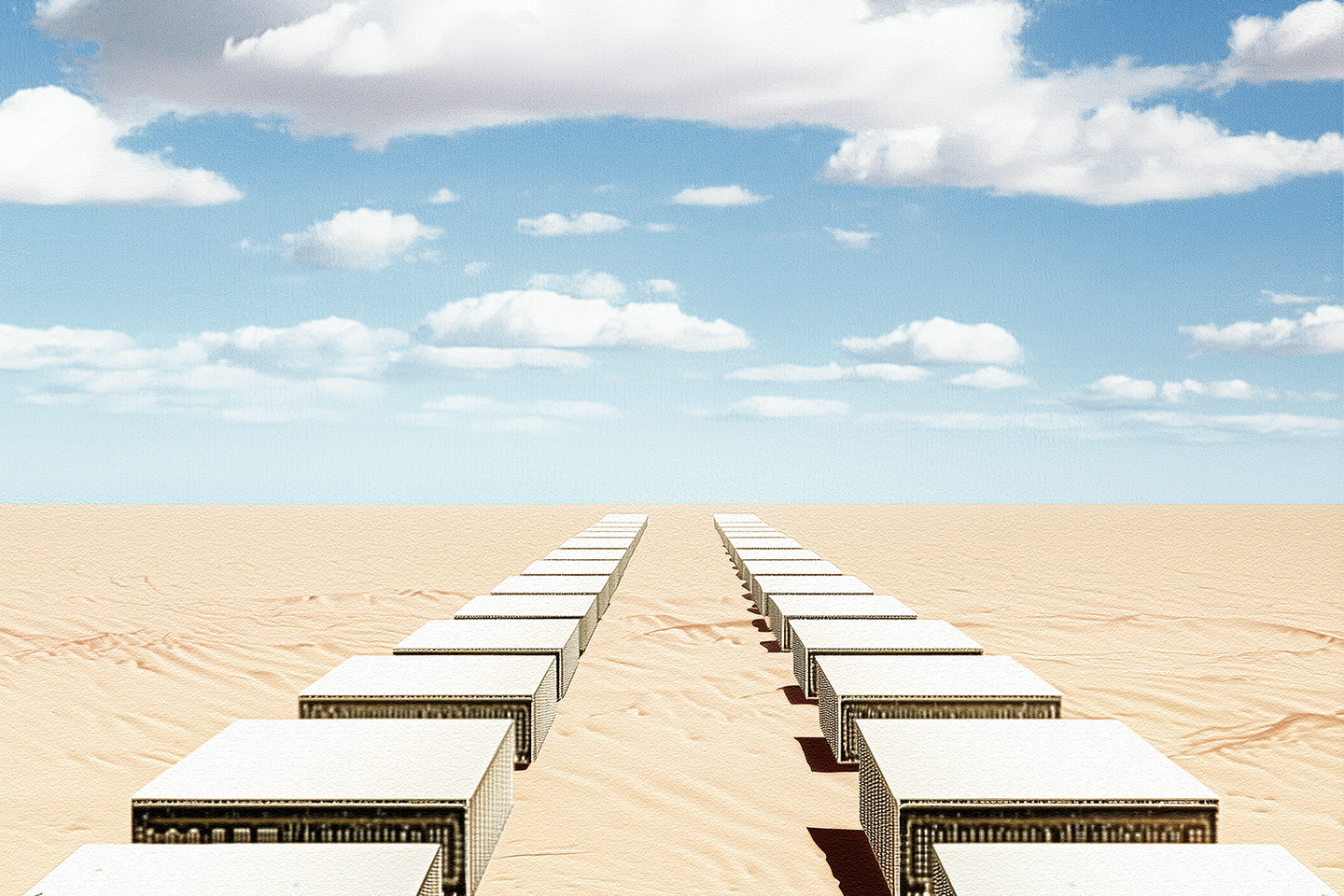
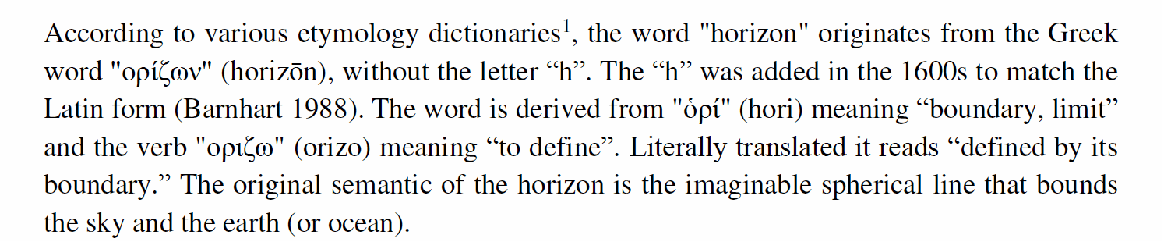
horizon
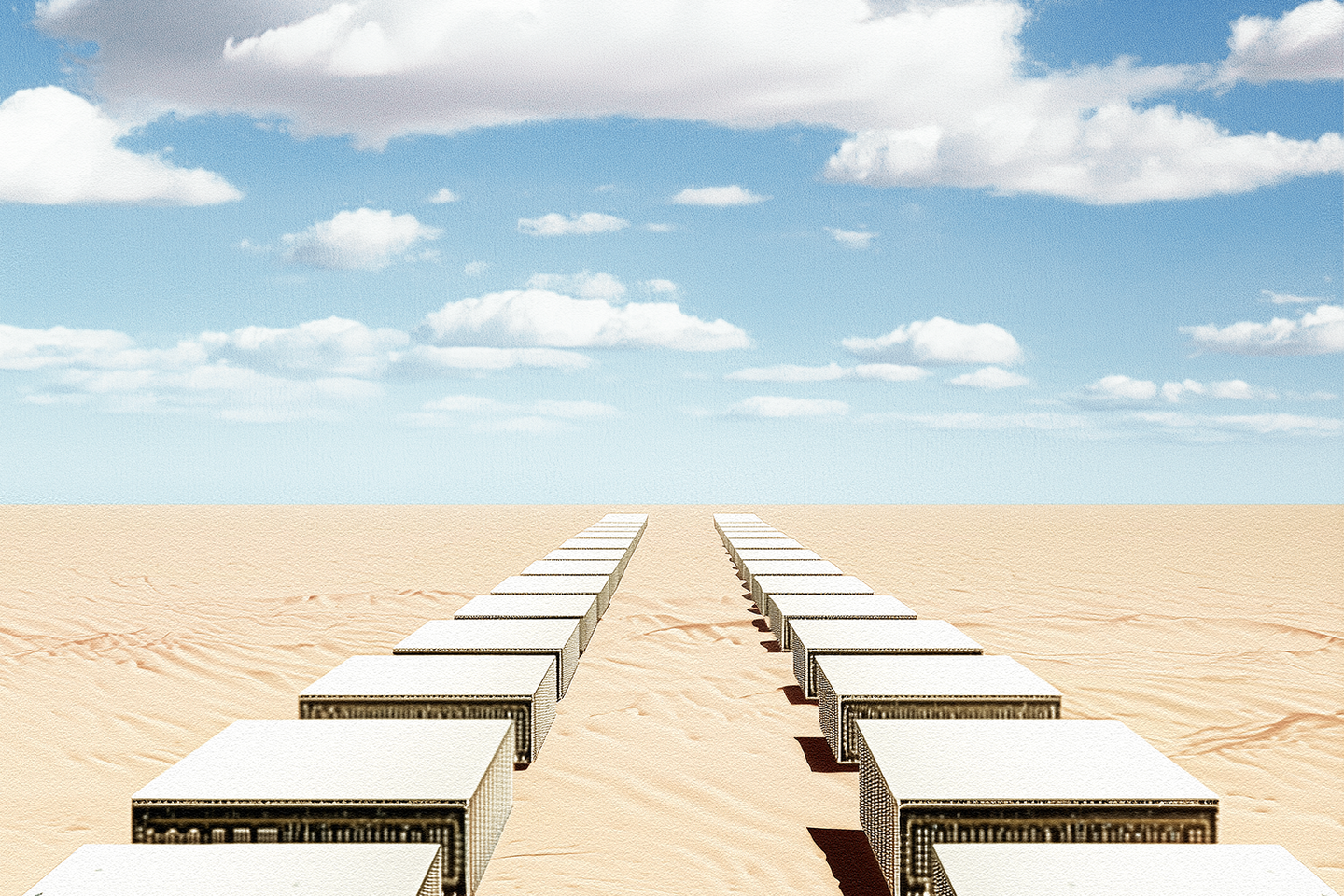
is the line between earth or water and sky (greek), life and death (egyptian). two elements colliding to define or set a boundary. there is no one in the frame of this definition. temporally it is distant. we are unable to approach it, forever receding in the background, an x axis.
frontier
on the other hand, originates in the individual, in the forehead, brow, front (frons, frontis - latin). relative to a position or gaze, frontier is right in front of you, temporally here right now, a y-axis.
if 'you' are the 'subject,' then the french and english definitions introduce an 'object' to the meaning, specifically a country or kingdom, usually at war.
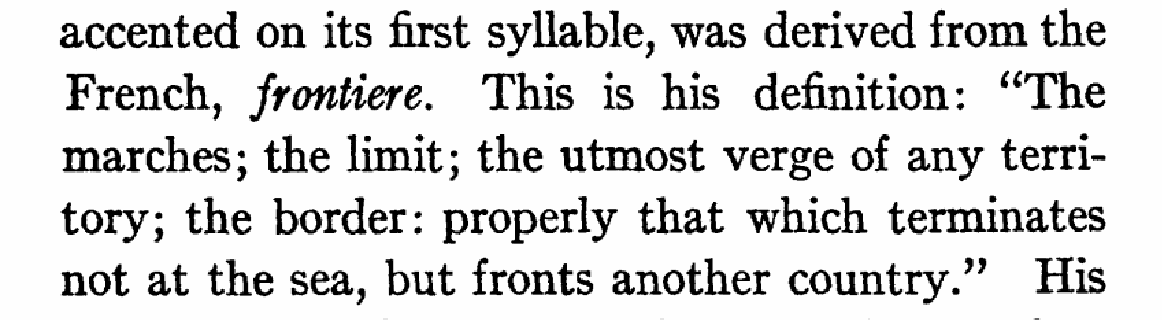
frontier (american)
in the 19th and 20th centuries, frontier takes on a 'western' meaning, first as the furthest settlement, then the edge of civilization benchmarked by the US Census (1870 & 1890), and eventually deemed over by Frederick Jackson Turner (1893) adding his remark, "the American intellect will continually demand a wider field for its exercise."
here the subject is the 'american brow', and the object is the 'wilderness'
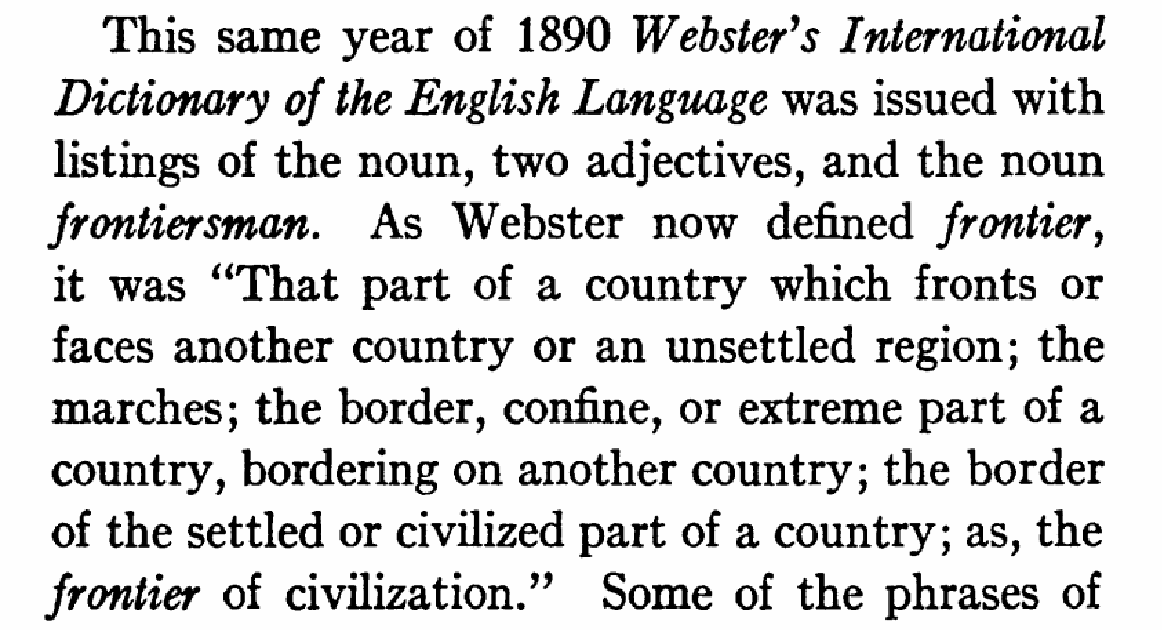
frontier (science and technology)
frontier expanded to mean "a border or advanced region of thought, sentiment, etc. considered as resembling a geographical or political frontier; as, working on the frontiers of science." some canonical writings include Vannevar Bush's "Science - The Endless Frontier" from 1945, the EFF was founded in 1990 after Operation Sun Devil with the mission declared in "Across the Electronic Frontier," and later John Perry Barlow's "A Declaration of the Independence of Cyberspace," was shared at Davos in 1996.

frontier (AI)
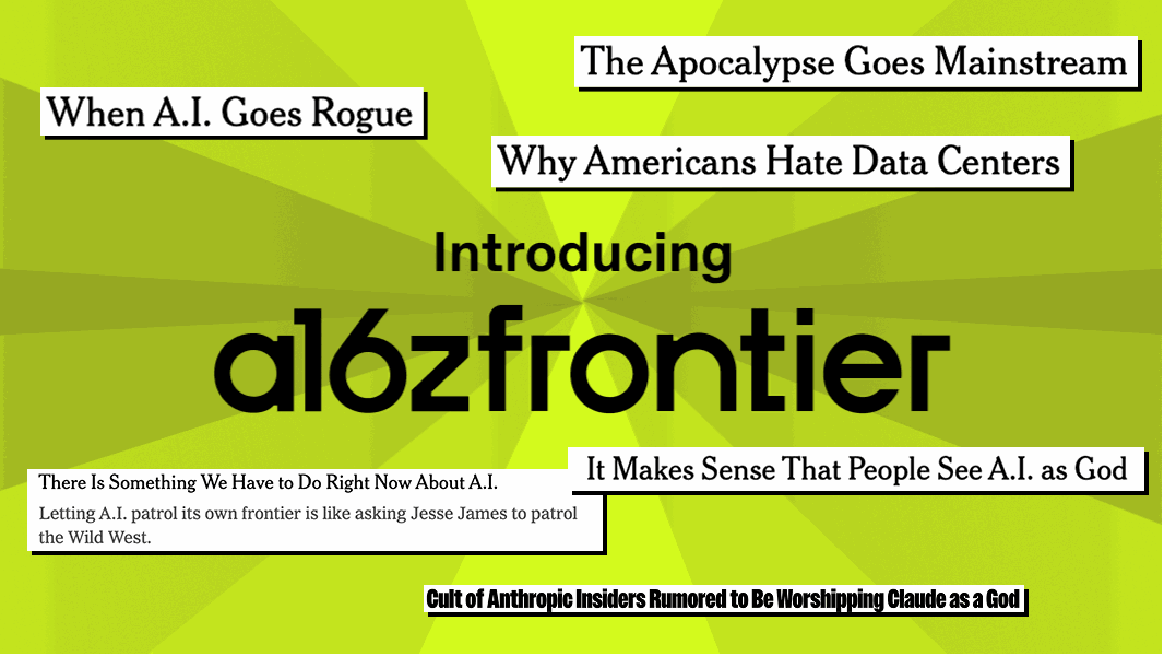
if horizon is a background endlessly retreating into the distance, then the frontier is right in front of our faces, defined by a perceived hostility, wilderness, or enemy. and yet, the current frontier fear seems to have made ourselves the wilderness, the uncivilized, the enemy of some unknown entity to defend against or worship with headlines like ‘Is this how the world ends? Extinction scenarios are taking over the AI debate.' or ‘Cult of Anthropic Insiders Rumored to Be Worshipping Claude as God.’
when did we become perceived instead of perceptive? when did we become the object, the wilderness, to be civilized? when did AI become the subject, even deified?
eros, AI love triangle
the public conversation about AI has collapsed into a horseshoe of techno-optimism on one end and doomerism on the other, with almost nothing in between. that leaves out the middle ground of how we get wherever we’re going, and who gets to take part. the current narratives converge on one path where AI gets all (omnipotent), and humanity gets nothing (apocalypse)...quite Thielian. but as with any nascent technology, there are many paths forward as long as there are many to participate in the tread and destinations of these desire lines.
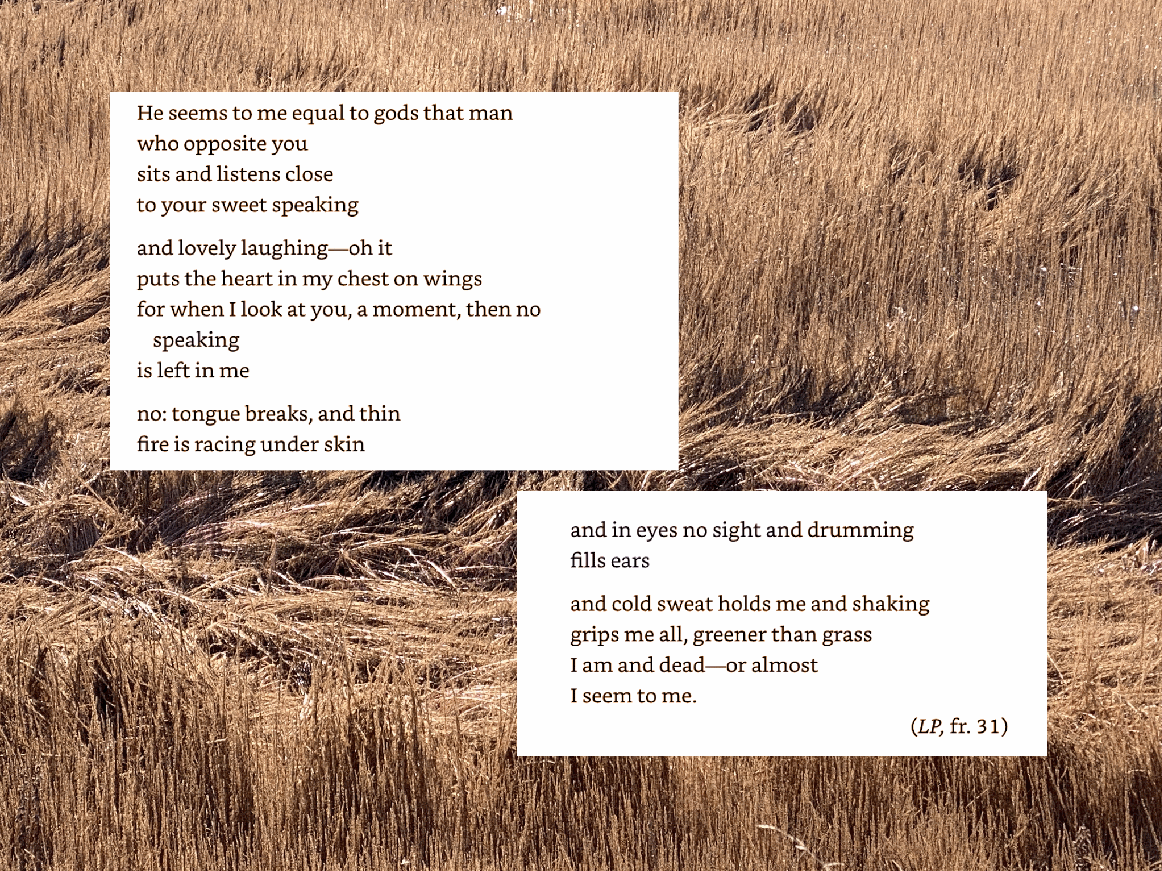
this polarization of AI reminds me of Anne Carson’s discussion of eros in Eros the Bittersweet: “All human desire is poised on an axis of paradox, absence and presence its poles, love and hate its motive energies.” she traces the lines between the lover, the beloved, and the space between: “The moment when we understand these things—when we see what we are projected on a screen of what we could be—is invariably a moment of wrench and arrest. We love that moment, and we hate it. We have to keep going back to it, after all, if we wish to maintain contact with the possible.” ultimately, the gaze of the lover at the beloved is turned back upon themselves: “a knowledge of self that begins to come into focus, a self not known before and now disclosed by the lack of it.” perhaps, in our bittersweet gaze at AI, we too can reclaim our ability to perceive, returning to occupy the subject implied in the word frontier, grasping towards a new society. “When the mind reaches out to know, the space of desire opens and necessary fiction transpires.”
to a deluge of new narratives, from many, shaping the edges of the unknown.